GPT-5 Is Here: What Enterprises Need to Know
OpenAI just released a powerful new AI tool called GPT-5. Here is what your business needs to know before deciding whether to use it.
GPT-5 is OpenAI's newest and most advanced general-purpose AI model. It offers significantly improved reasoning capabilities, reduced hallucination rates, extended context handling, and the ability to perform agentic tasks compared to previous versions.
What changed
- Reasoning: Solves complex mathematical, logical, and coding challenges that GPT-4 struggled with.
- Context Window: Expanded to approximately 1 million tokens, equivalent to about 1,500 pages of text.
- Multimodal: Now possesses native understanding across text, image, audio, and video inputs.
- Agentic Mode: Capable of browsing the web, clicking elements, completing forms, and executing multi-step workflows.
- Lower Hallucination Rate: Demonstrates a 40-60% reduction in factual errors in internal testing.
Strong points
- High accuracy on complex tasks requiring advanced reasoning.
- Extensive context window for processing large documents and datasets.
- Introduction of true agentic capabilities for automated workflows.
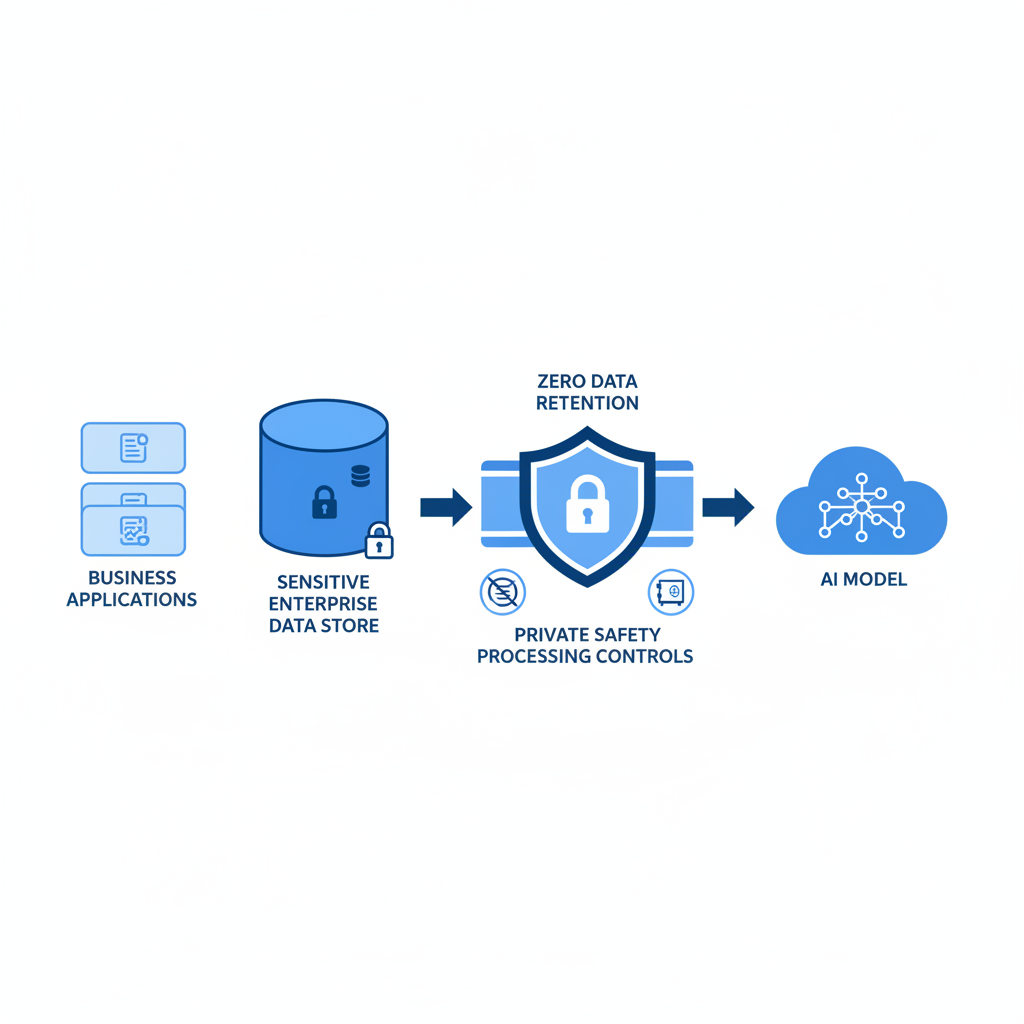
- Enhanced enterprise-grade controls for privacy, SOC 2 compliance, and data residency.
- Reduced incidence of factual errors compared to predecessors.
Improvements
- Fewer erroneous responses when handling intricate queries.
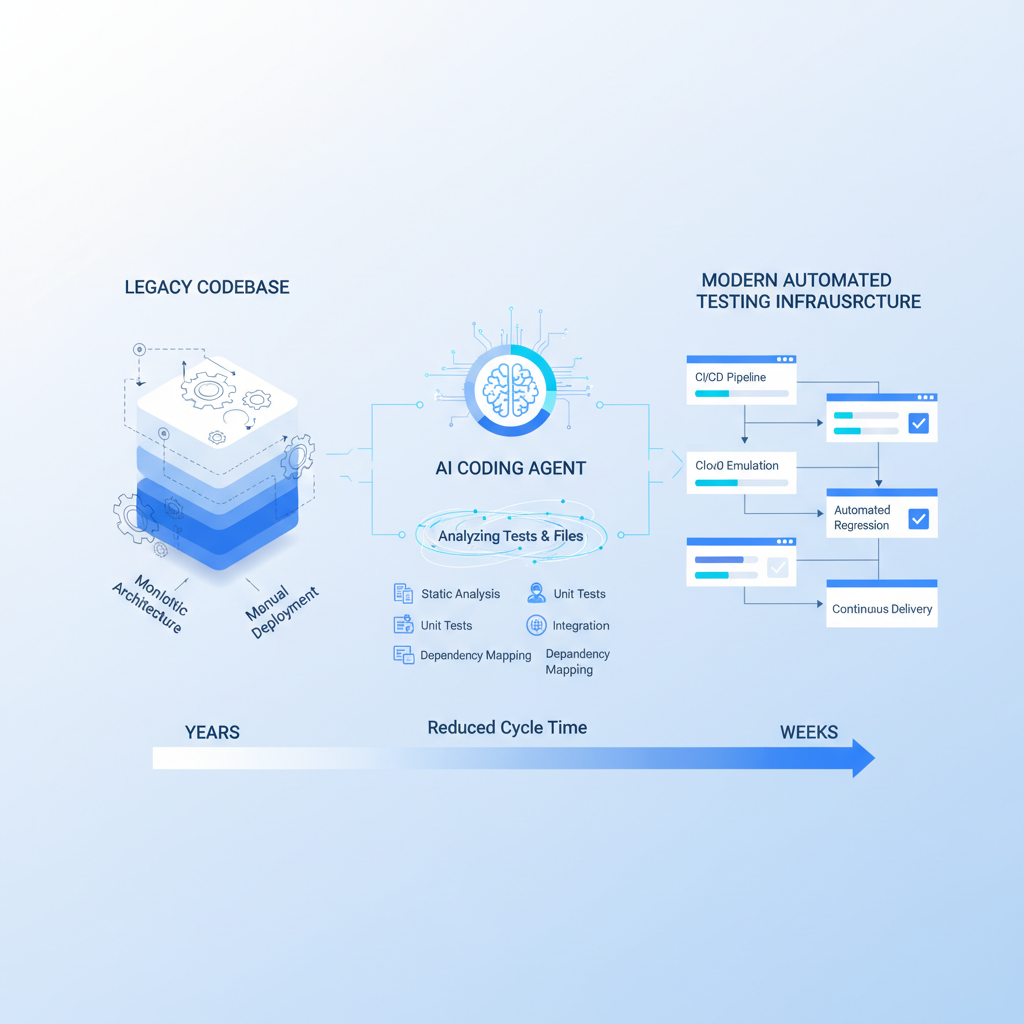
- Ability to analyze extremely long documents, such as 500-page contracts or complete codebases.
- Capability to plan and execute multi-step tasks beyond simple conversational interactions.
- Provision of enterprise-level privacy features and data controls.
Tools with pros and cons
GPT-5
- Pros: Highest accuracy on demanding tasks, vast context capacity, authentic agent capabilities, robust enterprise controls.
- Cons: Higher per-token cost, still requires careful guardrail implementation, agentic mode can produce unexpected outcomes if unsupervised.
- Best for: Reasoning-intensive applications, agentic task execution, complex coding projects.
Claude 4 Opus
- Pros: Strong for long-form content generation and safety-critical applications.
- Cons: Potentially slower response times for short queries.
- Best for: Extended writing tasks, regulated environments.
Gemini 2.0 Ultra
- Pros: Advanced multimodal capabilities, particularly with video and very large contexts.
- Cons: Ecosystem tooling is comparatively newer.
- Best for: Advanced multimodal applications, complex data integration.
Llama 3.3 70B
- Pros: Suitable for self-hosting scenarios, offers greater cost control.
- Cons: Requires managing your own infrastructure.
- Best for: On-premises deployments, budget-conscious projects.
How to use
- Initiate deployment with a single team and a focused use case, such as customer support.
- Leverage cloud platforms like Azure OpenAI or AWS Bedrock to ensure data residency compliance.
- Implement robust guardrails including PII redaction, prompt injection filters, and human review for high-risk actions.
- Maintain comprehensive logging of all prompts and responses for audit purposes.
- Establish weekly quality metrics and continuous monitoring rather than a one-time assessment.
Where to use
- Legal departments for contract review and redlining.
- Financial institutions for research and earnings analysis.
- Customer support operations for intelligent triage and policy lookups.
- Development teams for code migration projects (e.g., legacy Java to modern versions, COBOL modernization).
- Internal knowledge management systems integrated with Retrieval-Augmented Generation (RAG).
Bottom line
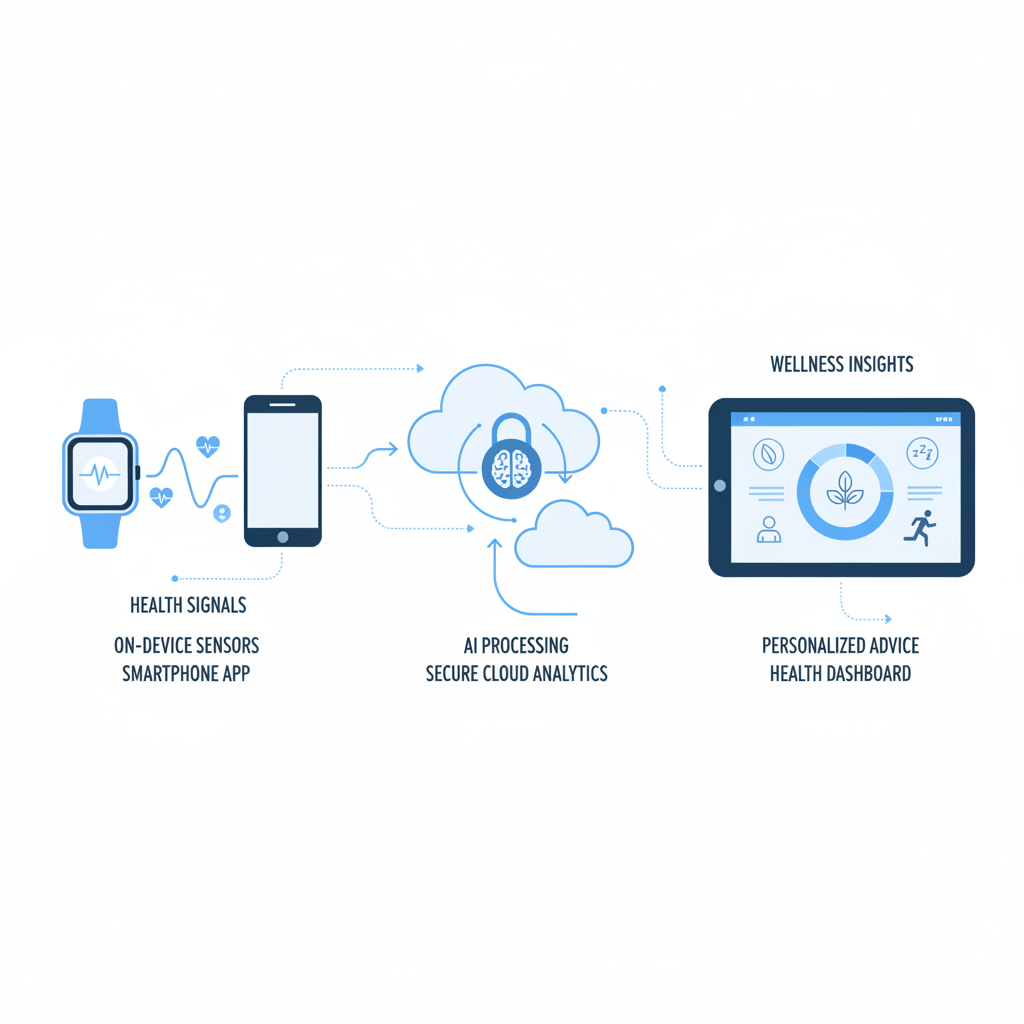
GPT-5 is best suited for applications where the cost of an error is substantial, such as in legal, financial, or healthcare domains, or for tasks that involve numerous sequential steps. For simpler tasks like basic chat or summarization, more cost-effective models may suffice. For a detailed assessment of how GPT-5 can benefit your organization, contact info@zigmaneural.com.
Stay ahead of enterprise AI
Get monthly briefings on AI architecture, governance, and platform engineering — written for CTOs and founders. No fluff.
ZigmaNeural Team
Written by the ZigmaNeural engineering and AI team. We help enterprises design, build, and govern AI systems for real-world outcomes.